

Beginners Resource Pack
Philosophy, history and extra notes/reading
What is yoga?
The word "yoga" can be translated in many ways, often it is translated as "union". The union of mind and body is a great way to look at the practice. "Ashtanga" translates to "ash" as 8, and "tanga" as limbs.
Where does the 8 limbs concept come from?
They come from Patañjali - (Fifth century AD) was the collector/ compiler of ʻThe Yoga Sutrasʼ. The sutras are threads of knowledge into the philosophy and science of yoga. “Vinyāsa” often translates to a breath movement system, or to “place a special place” on an action. This is where we find the “flowing” style movement where breath and movement are always combined. There is never one without the other whilst doing Ashtanga Vinyāsa Yoga.
The eight limbs of Ashtanga Yoga are:
● 1. Yama - External awarenesses: practicing non violence to self and others, truthfulness, non harming, withholding of energy, and not fearing death: (ahimsā, satya, asteya, brahmacharya, and aparigraha)
● 2. Niyama - Internal awarenesses: practicing cleanliness, contentment, having discipline, practicing self study and having devotion or faith in the divine: (śauca, santosha, tapas, svādhyāya, and ishvarapranidhana)
● 3. Āsana - Posture.
● 4. Prāṇāyāma - Breath.
● 5. Pratyāhāra - Focusing the senses.
● 6. Dhāraṇā - Concentration.
● 7. Dhyāna - Meditation.
● 8. Samādhi - Absorption.
Pattabhi Jois (1915-2009) a student of Krishnamacharya (1888-1989) also Vedantic Sanskrit Scholar, brought 'Ashtanga Vinyasa Yoga' to the householders and western world. He created several series of Ashtanga Vinyasa yoga, which deeply embodies the teachings of the sutras of Patanjali. These teachings were based in Mysore, Southern India.
We should highlight here that in the past years, there has been some new information about inappropriate hands on assists that have come to light about Pattabhi Jois. At AYE, we are working daily to move forward and learn from this. It’s part of a bigger discussion about Power Dynamics, but simply know that communication and consent is now at the heart of our Mysore rooms and we encourage you to talk to our teaching team about this openly if you ever have questions or feedback.
What is Mysore style?
Mysore style is the original way that Ashtanga Vinyasa yoga was taught, working 1:1 with students within a group setting. You will find brand new students, learning the first parts of practice, right beside someone else who has been practicing daily for 20+years.
You and your teacher will carefully craft a practice that’s appropriate for you, progressive and exciting for you day to day, week to week so that you can work both on the gross (postures, bones, muscles) and subtle layers (breath, mental aspects, focus points, bandha).
Community is king in our Mysore spaces, so you’ll find events, free potlucks, conferences and chanting sessions for free as part of our offerings also. They are detailed on our whiteboard, social media and Newsletter.
Extra resources and books:
At AYE we have a growing Library to borrow from at the reception area, so do check there before maybe purchasing!
Yoga Dharma by Hamish Hendry- very small concise beginner friendly book about yogic philosophy.
Ashtanga Yoga by Gregor Maehle- fantastic book about primary series of Ashtanga Yoga, anatomy and philosophy too.
Ashtanga Yoga: The Practice Manual by David Swenson
Ashtanga Yoga: The definitive step by step guide by John Scott
Yoga Mala by Pattabhi Jois. Written by Pattabhi Jois himself, historical reference point but not super easy to read!
This is the resource pack, especially helpful for those in the early days of practicing Ashtanga Yoga/and or within a Mysore Style setting.
Included is:
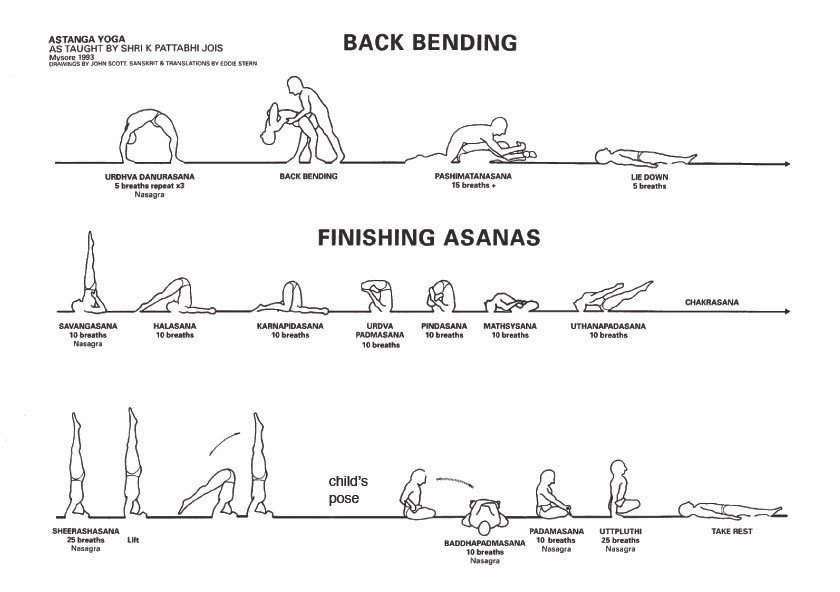
PDF images
Open/closing Ashtanga chants,
Extra philosophy notes
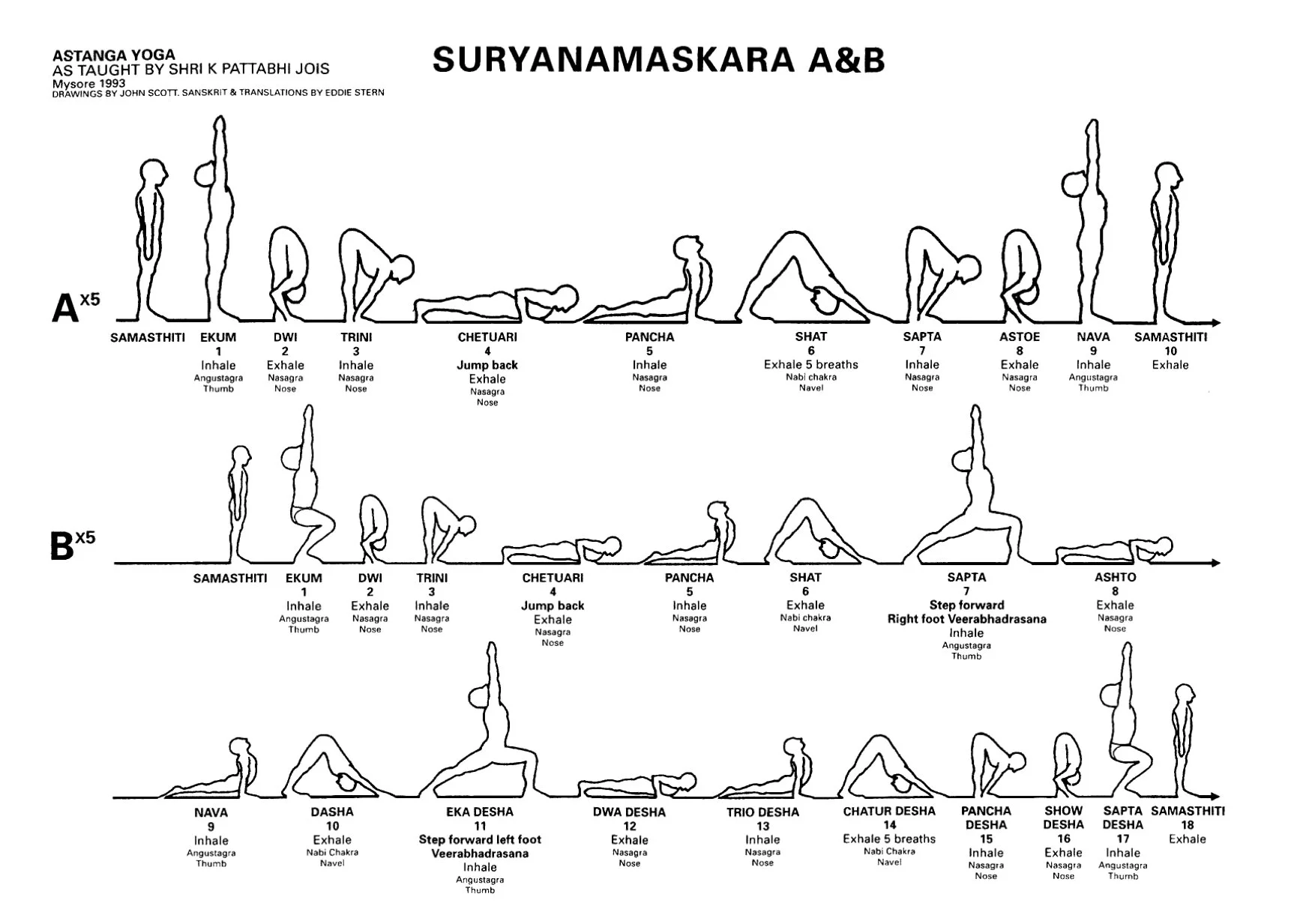
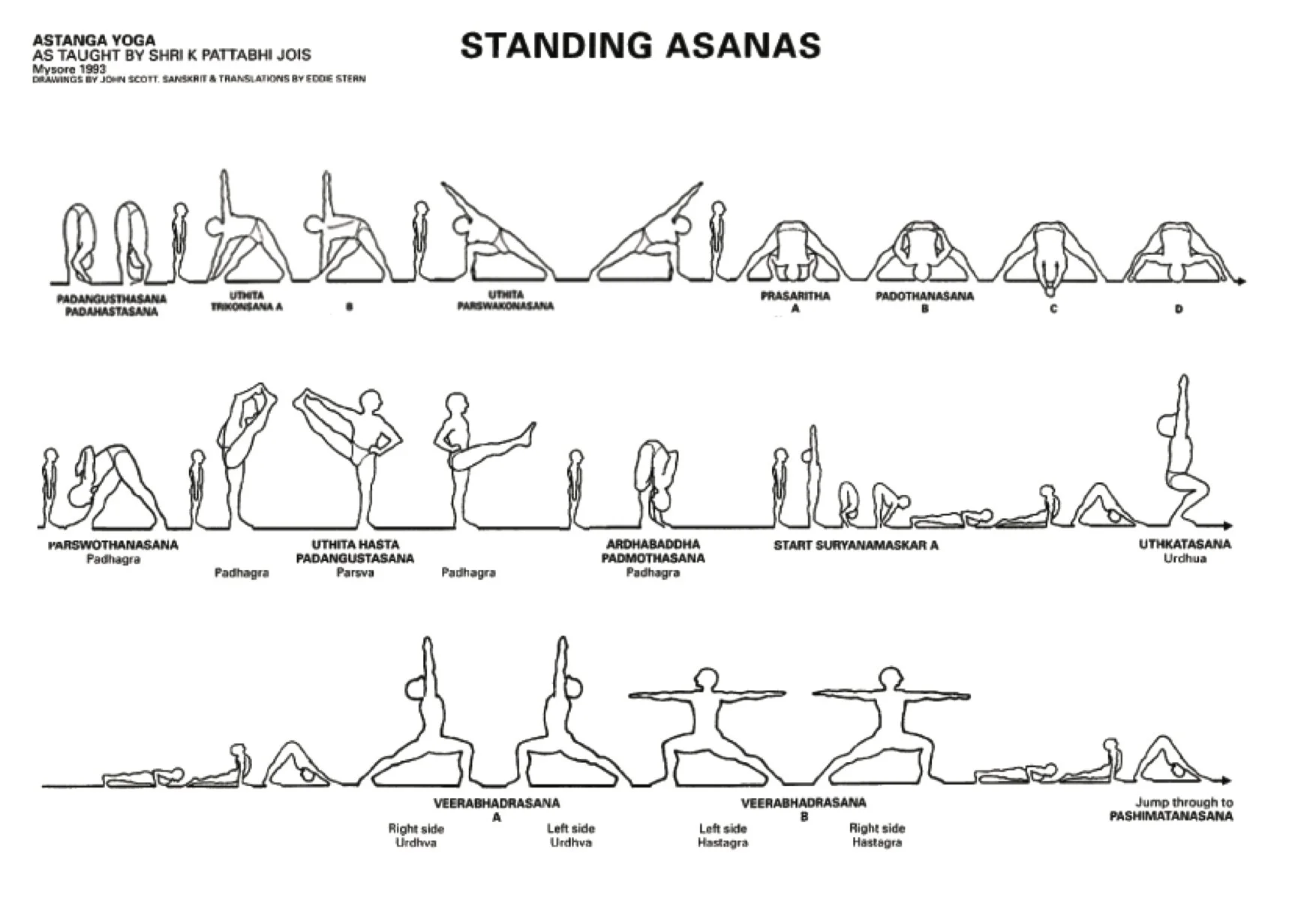
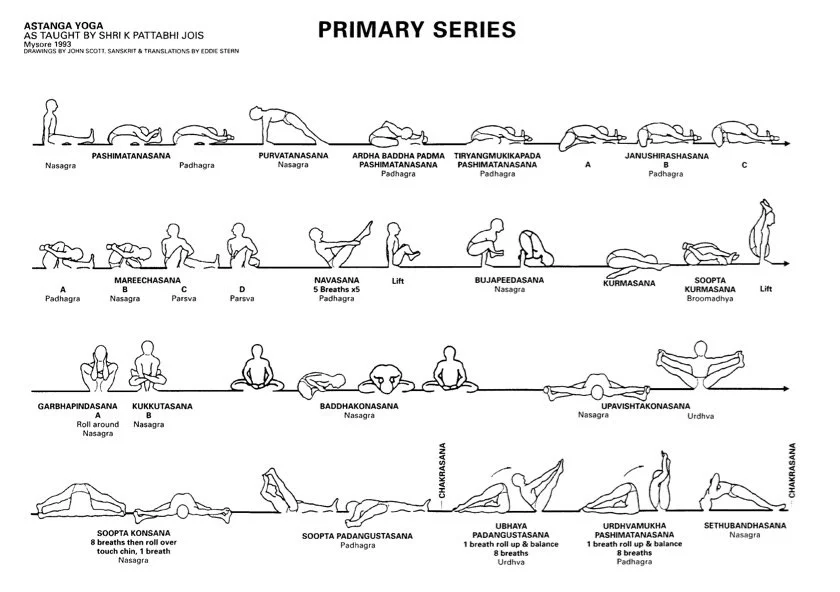
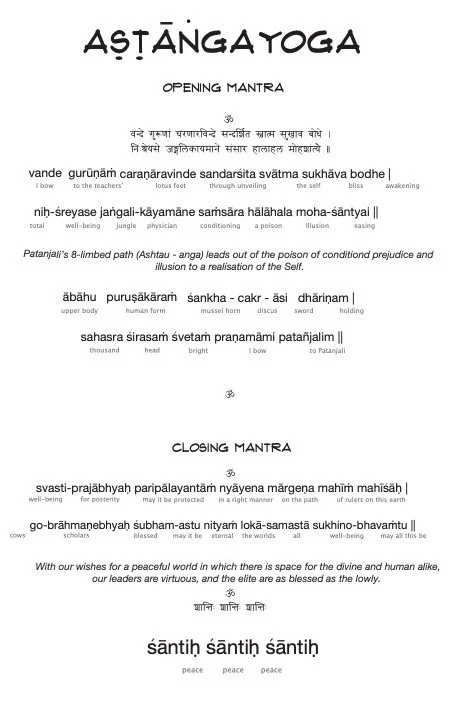
Recordings of the Opening & Closing Invocations
Opening and Closing Invocation
PDF Images
From Senior teacher John Scott- (be aware the spelling is phonetical not traditional Sanskrit)